
日本で広がるキャリアと家族の未来
介護から看護へ
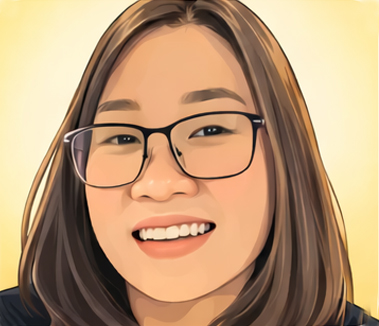
- 出身:ベトナムの北部地方
- 学歴:地域医療短期大学 看護学科(3年課程)
- 資格:介護福祉士・准看護師(2023年2月取得)・医療通訳資格
- 日本語能力:JLPT N1
- 職歴:特別養護老人ホーム(近畿)→ユニット型特別養護老人ホーム(東海)→介護施設リーダー(関西)
Q:看護の道を目指したきっかけを教えてください。
もともと人の世話をすることが好きで、自分には看護師という仕事が向いているのではないかと考えていました。そのため、地域の医療短期大学で3年間、看護を学びました。
短期大学を卒業した後は、ベトナムの産婦人科で約5か月間勤務した経験があります。
Q:日本へ来ることになったきっかけは何だったのでしょうか。
兄からEPAプログラムについて紹介されたことがきっかけです。興味を持ち、EPAに参加することを決めました。
EPAでは来日前に1年間日本語を勉強し、日本語能力試験N3を取得しました。そして2014年、23歳のときにEPA介護プログラムを通じて来日しました。
Q:来日後はどのような仕事をされてきましたか。
来日後は、近畿地方の特別養護老人ホームにEPA介護職として就職し、約4年半勤務しました。
その施設では外国人職員への学習支援体制が整っており、勤務時間内に1日2時間の勉強時間がありました。教科書の提供や専門講師による指導も受けることができ、とても良い環境でした。
その結果、3年間の勤務を経て介護福祉士資格を取得しました。
日本語については十分な教育支援制度がなかったため、自習を中心に勉強しました。耳から覚える教材などを使って独学を続け、日本語能力試験N1にも合格しました。
Q:日本での生活はいかがでしたか。
住んでいた県ではお祭りが多く、職場の同僚ともとても仲が良かったです。休みの日には同僚がよく遊びに連れて行ってくれました。
昨年、以前働いていた施設を事前に知らせずに訪ねたことがあります。働きやすい環境だったため離職者が少なく、元同僚にも会うことができました。妊娠して体型が変わっていた私を見ても、すぐに思い出してくれたことが本当に嬉しかったです。
Q:その後のキャリアについて教えてください。
結婚をきっかけに夫の勤務地に合わせて東海地方へ移住し、ユニット型特別養護老人ホームに転職しました。
そこで約3年間勤務しながら、地域で医療通訳のボランティア活動を始めました。
現在は関西に住み、介護施設でリーダー職として働いています。住んでいる地域はベトナムの雰囲気に少し似ていて、とても住みやすい場所だと感じています。
2023年2月には准看護師資格を取得し、医療通訳資格も取得しました。現在も公的病院で医療通訳のボランティアを続けており、これまでの介護現場での経験と語学力を生かして、現場の調整役や後輩指導にも関わっています。
Q:現在の目標について教えてください。
現在、永住権を申請しており、申請から約10か月が経過しています。
永住権取得後は、看護師として医療機関へ転職する予定です。すでに産婦人科クリニックから内定をいただいていますが、永住権取得を待つため、現時点では保留となっています。
このクリニックとの出会いは、医療通訳士の募集に応募し面接を受けたことがきっかけでした。面接の際に准看護師としての採用を提案され、就職予定証明書を発行してもらえたことで、准看護師試験を受験することができました。
そのクリニックは、将来的にベトナムで支店を開設する構想があり、産婦人科だけでなく美容分野への展開も検討しているそうです。
Q:准看護師試験の勉強は大変でしたか。
いくつかの課題がありました。特に、日本の医療制度や医療用語がカタカナ表記であることが多く、それを理解するのが難しかったです。
また、外国人向けの試験対策教材がほとんどなく、独学で勉強するしかありませんでした。さらに、准看護師試験の受験には就職予定証明書が必要であることも難しい点でした。
中古の教科書を購入し、過去問題を繰り返し解くことで試験対策を行い、無事に合格することができました。
Q:今後のキャリアについてどのように考えていますか。
永住権取得後は産婦人科で看護師として働き、まず准看護師としての実務経験を積みたいと考えています。その後、正看護師資格の取得も目指しています。
夜勤には少し緊張がありますが、できれば日勤中心で働きたいと思っています。介護士よりも看護師の仕事の方が自分に合っていると感じています。
一方で、年齢の影響で職場が見つかりにくいのではないかという不安もあります。
Q:日本での生活について教えてください。
現在はベトナム人の夫と5歳の子どもと大阪で暮らしています。すでに住宅を購入しており、定年まで日本で生活する予定です。
子どもは日本語とベトナム語の両方を話すことができ、日本での生活を気に入っています。夫はオペレーターの仕事をしており、ベトナムにいる両親の世話も必要ですが、当面は日本で働き続けたいと考えています。
私には兄がいるため、両親の介護は主に兄が担っており、大きな心配はありません。結婚前には両親からベトナムに戻ってほしいと言われたこともありましたが、今は私たちの希望を尊重してくれています。
Q:最後に、後輩へのメッセージをお願いします。
日本で勉強したり働いたりするためには、日本語がとても大切です。ぜひ諦めずに、日本語の勉強を一生懸命続けてほしいと思います。
もし試験を目指すのであれば、勉強資料や具体的な勉強方法について先輩からアドバイスをもらえると、とても役に立つと思います。
介護の現場で経験を積み、言語と医療の力を身につけながら、一歩ずつ新しい道を切り開いてきた。
その歩みは、日本で働く外国人医療人材の可能性を示す物語でもある。
“From Caregiving to Nursing — Building a Career and Family Life in Japan”
Origin: The North of Vietnam
Education: Community Medical Junior College, Department of Nursing (3-year program)
Qualifications:・Certified Care Worker (Japan)・Licensed Practical Nurse (Japan, obtained February 2023)・Medical Interpreter Certification
Japanese Language Ability: JLPT N1
Career: Special Nursing Home (Kansai) → Unit-type Special Nursing Home (Tokai) → Care Facility Leader (Kansai)
Q: What inspired you to pursue a career in nursing?
I have always liked taking care of people. Seeing patients gradually recover and regain their strength after receiving treatment makes me very happy. Because of that feeling, I thought that the profession of nursing might suit me well.
For that reason, I studied nursing for three years at a community medical junior college. After graduating, I worked for about five months at an obstetrics and gynecology clinic in Vietnam.
Q: What led you to come to Japan?
My older brother told me about the EPA (Economic Partnership Agreement) program, and that sparked my interest. After learning more about it, I decided to participate.
Before coming to Japan, I studied Japanese for one year through the EPA training program and passed the Japanese Language Proficiency Test at the N3 level. Then in 2014, at the age of 23, I came to Japan through the EPA caregiving program.
Q: What kind of work did you do after arriving in Japan?
After arriving in Japan, I began working as an EPA caregiver at a special nursing home in the Kansai region, where I worked for about four and a half years.
The facility had a strong support system for foreign staff. We were given two hours of study time during working hours each day, and the facility provided textbooks and guidance from specialized instructors. It was a very supportive learning environment.
Thanks to that system, I was able to obtain the Certified Care Worker qualification after three years.
As for Japanese language learning, there was no formal support system, so I mainly studied on my own. I used listening-based learning materials and continued studying independently, eventually passing the JLPT N1 exam.
Q: How was your life in Japan during that time?
The prefecture where I lived had many festivals, and I became very close with my colleagues at work. On my days off, they often took me out to different places.
Last year, I visited my former workplace without telling them in advance. Because it was such a comfortable place to work, few staff members had left, and I was able to see many of my former colleagues again.
Even though I had gained weight due to pregnancy, they immediately recognized me. That made me very happy.
Q: How did your career develop after that?
After getting married, I moved to the Tokai region to match my husband’s workplace and changed jobs to a unit-type special nursing home.
While working there for about three years, I also began volunteering as a medical interpreter in the local community.
Currently, I live in the Kansai region and work as a leader at a care facility. The place where I live now feels somewhat similar to Vietnam, and I find it very comfortable to live here.
In February 2023, I obtained my Licensed Practical Nurse qualification and also received a certification in medical interpretation. I still volunteer as a medical interpreter at a public hospital, where I use my caregiving experience and language skills to help coordinate communication and support junior staff.
Q: What are your current goals?
At the moment, I have applied for permanent residency, and it has been about ten months since the application.
After obtaining permanent residency, I plan to change jobs and work as a nurse at a medical institution. I have already received a job offer from an obstetrics and gynecology clinic, but the position is currently on hold while I wait for my permanent residency approval.
I first connected with this clinic when I applied for a medical interpreter position and was invited for an interview. During the interview, they suggested hiring me as a licensed practical nurse and issued a certificate of planned employment, which allowed me to take the LPN examination.
The clinic also has plans to open a branch in Vietnam in the future and is considering expanding not only in obstetrics and gynecology but also into the field of aesthetic medicine.
Q: Was preparing for the Licensed Practical Nurse exam difficult?
There were several challenges. One of the biggest difficulties was understanding Japanese medical terminology, which is often written in katakana.
Another challenge was the lack of study materials designed specifically for foreign examinees, so I had to study mostly on my own. In addition, taking the LPN exam required a certificate of planned employment, which made the process more complicated.
To prepare, I bought second-hand textbooks and repeatedly practiced past exam questions. Through this method, I was able to pass the exam.
Q: What are your plans for the future?
After obtaining permanent residency, I plan to start working at the obstetrics clinic and gain practical experience as a licensed practical nurse. Eventually, I hope to obtain the Registered Nurse qualification as well.
Night shifts make me a little nervous, so if possible, I would prefer to work mainly day shifts.
I feel that the nursing profession suits me better than caregiving. At the same time, I do have some concerns about whether it might become harder to find jobs as I get older.
Q: Could you tell us about your life in Japan?
I currently live in Osaka with my Vietnamese husband and our five-year-old child. We have already purchased a home and plan to live in Japan until retirement.
Our child can speak both Japanese and Vietnamese and enjoys living in Japan. My husband works as an operator. Although he also needs to take care of his parents in Vietnam, for now we both plan to continue working in Japan.
I also have an older brother, so he mainly takes care of our parents in Vietnam, which gives me peace of mind. Before I got married, my parents sometimes asked me to return to Vietnam, but now they respect my decision to live here.
Q: Finally, do you have a message for younger people who hope to work in Japan?
I believe Japanese language ability is extremely important if you want to study or work in Japan.
I hope younger people will continue studying Japanese with determination and never give up.
If possible, it is also very helpful to have study materials and practical advice from senior colleagues about how to prepare for professional exams.
Through years of experience in caregiving, language learning, and medical training, she has steadily built a new path for herself in Japan.
Her journey represents not only personal perseverance, but also the expanding possibilities for international healthcare professionals connecting Japan and Vietnam.