
人の回復を支える喜び
ベトナム出身看護師が日本で描くキャリアと未来
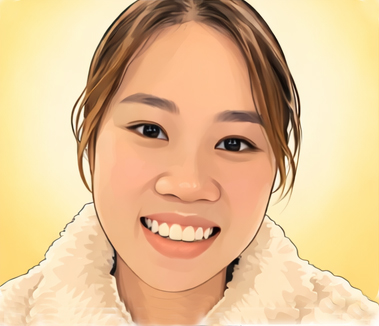
- 出身:ベトナム
- 学歴:北部での看護大学
- 資格:ベトナム看護師免許・日本 看護師国家資格(2025年合格)
- 日本語能力:JLPT N1
- 職歴:介護施設勤務 → 日本の急性期病院(地域包括ケア病棟)
Q:看護の道を目指したきっかけを教えてください。
もともと私は、人の世話をすることが好きな性格でした。治療を受けていた患者さんが少しずつ元気になっていく姿を見ると、とても幸せな気持ちになります。そうした経験から、医療関係の仕事に就きたいと考えるようになりました。
大学進学の際には医療系大学を志望し、医学部への進学も考えました。しかし、入学に必要な点数が足りなかったため、看護学科を選択しました。
Q:日本で働こうと思ったきっかけは何だったのでしょうか。
もともと外国で働いてみたいという気持ちがありました。看護学科を卒業した後の進路として、日本やドイツで働く可能性があることを知りました。
その中で、日本はベトナムと同じアジア圏で文化的にも親しみやすいと感じました。また、日本のアニメが好きだったことも理由の一つです。
大学2年生のとき、大学と日本の機関が連携したプログラムがあり、2週間日本で研修を受ける機会がありました。日本語を学ぶ機会があり、日本の施設の仕事を見学することもできました。また、地方の有名な観光地にも連れて行ってもらいました。
その経験から、「日本は働く国としてとても良い」と感じ、将来もう一度日本に来たいと思うようになりました。
Q:その後、日本へ来るまでどのような準備をされましたか。
日本語の勉強を続け、大学卒業の時には日本語能力試験N3に合格しました。
その後、EPAプログラムに参加することを目標にしました。EPAで働いている先輩からアドバイスをもらい、ベトナムのクリニックで9か月間看護師として働き、ベトナムの看護師免許を取得しました。
その後、EPA介護候補者として特定活動ビザで来日し、東北地方の介護施設で働き始めました。
Q:日本の看護師資格も取得されたのですね。
はい。来日して1年後に日本語能力試験N1に合格しました。そして2025年2月に日本の看護師国家試験を受験し、合格しました。
2025年8月からは別の県にある急性期病院の地域包括ケア病棟へ転職し、現在は看護師として働いています。
Q:現在の仕事について教えてください。
正直なところ、看護師の仕事はとても忙しいです。
特に入院患者さんのご家族への説明などでは、日本語や日本の医療保険制度の知識が十分ではないため、難しいと感じることがあります。そのようなときは病棟のスタッフに相談し、助けてもらいながら対応しています。
今はまだ夜勤をしていないため、給与は介護職として働いていた時と同じくらいです。しかし、今月から夜勤に入る予定なので、給与も上がり、日勤の回数が多くて忙しい状況も少し改善されると思っています。
夜勤は3人体制なので、あまり不安はなく、落ち着いて取り組みたいと思っています。
Q:介護の仕事と看護の仕事の違いはどのように感じていますか。
日本の介護職は、生活支援や日常生活のケアが中心です。一方、看護師は医療技術を使ったケアが中心になります。
私はこれまで医療技術を勉強し、練習してきたので、やはり看護師として働きたいという気持ちが強くありました。
ただ、介護職として働いた経験も今の仕事に役立っています。例えば患者さんの移動や身体介助などの技術は、看護の現場でもとても役立っています。
Q:日本での生活には慣れましたか。
日常生活については特に問題なく、順応できています。
日本の好きなところは、空気がきれいで、生活がとても便利なことです。また、サービスを提供する人たちの対応が丁寧なところも好きです。そして、もちろんアニメがあることも魅力です。
Q:日本の看護師国家試験にはどのように取り組みましたか。
約1年間勉強しました。主に使った参考書は「レビューブック」です。また、YouTubeの「たばえもんナース塾」というチャンネルも参考にしました。
友人と一緒に勉強することもありました。ただ、仕事をしながら勉強するのは大変で、眠くなってしまうこともありました。
専門用語は難しかったですが、看護大学で学んだ基礎知識を活かすことができました。看護の知識自体はベトナムと日本で大きくは変わらず、違うのは言語だと感じました。
Q:これからの目標を教えてください。
次の目標として、医療通訳の資格を取りたいと思っています。
仕事については、しばらく現在の病院で働きながら、看護師としての経験を積んでいきたいです。そして、約5年後にはベトナムへ帰国する予定です。
帰国後は、看護師、医療通訳、日本語教師などの仕事を考えていますが、まだはっきりとは決めていません。ただ、ベトナムの看護師の給与が低いことは少し気になっています。
Q:プライベートではどのような計画がありますか。
来年結婚する予定です。相手はベトナム南部の出身で、日本で出会いました。現在は建築関係の仕事をしていますが、体力的にとても大変な仕事だと思います。
将来的には二人でベトナムに戻りたいと考えています。子どもも欲しくて、子どもが5歳くらいになったらベトナムに帰国する計画です。将来は3人の子どもが欲しいと思っています。
Q:最後に、後輩へのメッセージをお願いします。
看護師国家試験はとても難しく、看護師の仕事も大変です。でも、諦めずに一生懸命頑張ってほしいと思います。
もし勉強をするときには、試験対策の資料があるととても助かります。また、どのように勉強すればいいのか、どの参考書を使えばいいのかなど、先輩から具体的なアドバイスがあるととても役に立つと思います。
日本で看護師として働く夢を実現させたその歩みは、努力と挑戦の積み重ねだった。
彼女はこれからも、日本とベトナムをつなぐ看護師として、新しい未来を描いていく。
“The Joy of Helping People Recover” — A Vietnamese Nurse Building Her Career in Japan
Hometown: The north of Vietnam
Education: An University of Nursing in the North of Vietnam
Qualifications:Registered Nurse, Vietnam•Registered Nurse, Japan (Passed National Exam in 2025)
Japanese Language Proficiency: JLPT N1
Career Path: Care facility worker → Nurse at an acute-care hospital (Community-based Integrated Care Ward)
Q: What inspired you to pursue a career in nursing?
I have always been the type of person who feels happy when taking care of others. When I see someone who is sick gradually recover and regain their health through treatment, it gives me a strong sense of happiness. Because of that feeling, I began to think that I wanted to work in the medical field.
When I applied to university, I aimed for a medical university and even considered entering medical school. However, my entrance exam score was not high enough, so I chose the nursing program instead.
Q: What led you to decide to work in Japan?
I had always wanted to work abroad. When I was studying nursing, I learned that graduates sometimes have opportunities to work in countries such as Japan or Germany.
Among those options, Japan felt more familiar culturally because it is also part of Asia. I also liked Japanese anime, which made me more interested in the country.
When I was in my second year at university, there was a program organized through cooperation between my university and Japanese institutions. I had the opportunity to participate in a two-week training program in Japan. During that program, I studied some Japanese and was able to observe work at Japanese care facilities. We were also taken to several well-known local places.
After completing the program, I felt that Japan would be a very good country to work in, and I decided that I wanted to return someday.
Q: How did you prepare before coming to Japan?
I continued studying Japanese and passed the JLPT N3 by the time I graduated from university.
After graduation, I decided to apply for the EPA program. Following advice from seniors who had already participated in the program, I worked as a nurse at a clinic in Vietnam for nine months and obtained my Vietnamese nursing license.
After that, I came to Japan under a Designated Activities visa as an EPA care worker candidate and began working at a care facility in the Tohoku region.
Q: You also obtained a Japanese nursing license.
Yes. One year after arriving in Japan, I passed the JLPT N1. In February 2025, I took and passed the Japanese National Nursing Examination.
In August 2025, I changed jobs and began working as a nurse at a community-based integrated care ward in an acute-care hospital in another prefecture.
Q: How do you find your current work?
To be honest, nursing work is very busy.
Sometimes I find it difficult to respond to the families of hospitalized patients because of language barriers or my limited knowledge of Japan’s health insurance system. When that happens, I consult with my colleagues in the ward, and they support me in handling the situation.
I have not yet started night shifts, so my salary is currently similar to what I earned when I worked as a caregiver. However, I will begin night shifts this month. Once I start night duty, my salary will increase, and the heavy schedule of frequent daytime shifts should become more balanced.
Night shifts are done with a team of three nurses, so I do not feel too anxious about it.
Q: What differences do you see between caregiving work and nursing work in Japan?
Caregiving work in Japan mainly focuses on daily living support and assistance with everyday activities.
In contrast, nursing focuses more on medical care using clinical techniques. Since I spent many years learning and practicing medical skills, I strongly wanted to work as a nurse.
At the same time, my previous experience as a caregiver has been very useful. Skills such as assisting patients with movement or physical support are still very helpful in my current nursing work.
Q: How have you adapted to life in Japan?
I have adapted quite well to daily life here.
What I like about Japan is the clean air, the convenience of daily life, and the politeness of customer service. And of course, I also like that Japan is the home of anime.
Q: How did you prepare for the Japanese National Nursing Examination?
I studied for about one year. The main textbook I used was the Review Book. I also watched YouTube videos from a channel called “Tabaemon Nurse School.”
Sometimes I studied together with friends. However, studying while working was challenging, and there were times when I felt very sleepy and tired.
Some medical terms were difficult to understand, but the basic knowledge I had learned at University of Nursing was very helpful. I felt that the fundamental nursing knowledge was largely the same in Vietnam and Japan—the main difference was the language.
Q: What are your future goals?
My next goal is to obtain a medical interpreter certification.
For now, I plan to continue working at my current hospital and gain more experience as a nurse. In about five years, I plan to return to Vietnam.
After returning, I may work as a nurse, a medical interpreter, or a Japanese language teacher. I have not decided yet. However, I am concerned about the relatively low salary for nurses in Vietnam.
Q: Do you have any plans in your personal life?
Yes. I plan to get married next year. My partner is from southern Vietnam, and we met in Japan. He currently works in construction, which is a physically demanding job.
In the future, we would like to return to Vietnam together. We would like to have children, and we are thinking of returning to Vietnam when our child is around five years old. Ideally, we would like to have three children.
Q: Finally, what message would you like to share with younger students or colleagues?
The nursing national examination is very difficult, and working as a nurse is also challenging. However, I hope they will not give up and will continue working hard.
When preparing for exams, it is very helpful to have good study materials. It is also important to receive specific advice from seniors—such as how to study and which textbooks to use.
Her journey—from nursing student in Vietnam to registered nurse in Japan—was built through perseverance and determination.
As she continues her career, she hopes to one day bridge her experiences between Japan and Vietnam, both professionally and personally.