
15歳で来日、看護師・保健師へ
“言語”と“医療”で未来をつなぐ
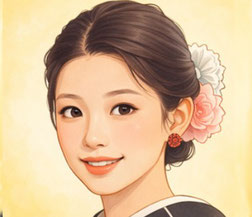
- 氏名/Oさん
- 年齢/27歳
- 出身/ベトナム南部
- 資格/日本 看護師/保健師
- 在留資格/医療
- 経歴/高校留学(日本)→ 看護系大学 → 看護師・保健師国家試験合格 → 病院勤務 → MPH(公衆衛生学修士)在学中
Q:日本に来る前から語学に興味があったそうですね。
はい。小学生の頃から英語の特別クラスに通っていて、中学校でも英語を専攻していました。中学2年生の時に、日本語・中国語・フランス語から選べる授業があり、日本語を選択しました。
近くに日本語学校もあったので通っていました。両親も「これからは語学が大事」と考えていて、小さい頃から英語のアニメを見て育ちました。
高校1年生の時に日本留学の話を知り、「環境を変えたい」と思って、15歳で日本に来ました。
Q:最初は航空系の高校に進学されたとか。
はい、中部地方の航空系高校に入学しました。多くの生徒がキャビンアテンダントを目指していて、私も2年生からCA専攻に入りました。
ただ、勉強していく中で、出産や年齢を重ねた後も働き続けるのは難しいのではないかと感じるようになりました。
その時、先生から「看護体験をしてみないか」と勧められ、東北の病院で2週間の体験をしました。それが大きな転機でした。
Q:そこから看護の道へ進まれたのですね。
はい。その病院では、学費を支援してくれて、卒業後に働けば返済が免除される制度がありました。母とも相談して、看護師を目指すことを決めました。
ただ、外国人ということもあり、看護系の進学は簡単ではありませんでした。いくつかの大学に問い合わせても断られてしまい、「勉学を続けられるか不安」という理由もあったようです。
最終的に先生が探してくださり、関東の大学に推薦で合格することができました。
Q:大学生活はいかがでしたか。
寮に入りながら、介護施設でアルバイトをして生活費をまかないました。コミュニケーションは問題ありませんでしたが、実習記録はとても大変でした。
3年次からは選抜制の保健学コースにも合格し、保健師にも興味を持つようになりました。
そして2020年、看護師と保健師の国家試験に合格しました。特に難しかったのは、日本語の専門用語や疫学、保健統計の分野でした。
Q:現在はどのようなお仕事をされていますか。
学費を支援してくれた病院で、2020年から働いています。一般内科と入院機能のある病院で、患者さんのケアや点滴、生活支援などを担当しています。
この病院には7年間勤務する契約があり、現在はあと3年残っています。
また、日本語能力試験は高校時代にN2を取得していて、2021年にN1も取得しました。
Q:現在は大学院にも進学されているそうですね。
はい。将来のキャリアに不安があり、大学時代から大学院進学を考えていました。先生に紹介していただいた保健大学の説明会に参加し、MPH(公衆衛生学修士)に興味を持ちました。
2024年から長期履修(3年)の学生として学んでいます。
Q:将来はベトナムに戻る予定ですか。
はい。今の病院との契約が終わったら、ベトナムに戻りたいと考えています。家族もいますし、結婚した夫とも一緒に暮らしたいです。
ベトナムでは大家族で暮らすことが多く、とてもにぎやかで温かい環境です。そういう生活に戻りたいと思っています。
Q:ベトナムでのキャリアについてはどのように考えていますか。
正直、まだ不安があります。ベトナムでは看護と介護の区別があいまいで、仕事内容の認識も異なります。また、公立病院は忙しくて給料も低いため、両親もあまり勧めていません。
そのため、日本語を活かせる国際病院やクリニックで働くことに興味があります。また、将来的にはベトナムの看護大学で教える仕事にも関心があります。
日本とベトナムをつなぐ仕事ができたら理想です。
Q:キャリア形成において課題は感じていますか。
はい、いくつかあります。まず、金銭的な支援が少ないことです。アメリカのような学費減免制度が日本には少なく、特に医療分野では外国人向けの支援が限られています。
また、情報が少ないことも大きな課題です。仲介会社を使えば情報は得られますが、費用が高く、多くの人が借金を抱えて来日することになります。
大学や企業が直接情報発信する仕組みや、医療分野の留学フェアなどがあれば、もっと良いと思います。
Q:最後に、これからの目標を教えてください。
今はまだ将来の方向性を模索している段階ですが、日本にいる間にできることはすべてやりたいと思っています。
特に透析看護に興味があり、もしインターンシップなどの機会があれば挑戦したいです。
これからも学び続けながら、自分の可能性を広げていきたいと思っています。
15歳で日本に渡り、言語と医療の両方を武器にキャリアを切り拓いてきたOさん。
その歩みは、国境を越えて活躍する次世代人材の可能性を静かに示している。
“From a 15-Year-Old Student to a Nurse and Public Health Professional” — Bridging Vietnam and Japan Through Language and Healthcare
- Name: O
- Age: 27
- Origin: Southern Vietnam
- Qualifications:
- ・Registered Nurse (Japan)
- ・Public Health Nurse (Japan)
- ・JLPT N1
- Residence Status: Medical Visa
- Career: High School in Japan → Nursing University → National Licensure (Nurse & Public Health Nurse) → Hospital Employment → MPH Student
Q: You had an interest in languages from a young age, correct?
When I entered high school in Vietnam, I learned about an opportunity to study in Japan. I was already thinking about changing my environment, so I decided to come to Japan at the age of 15, in 2013.
Q: You initially attended an aviation-focused high school, right?
Yes. I enrolled in an aviation high school in central Japan. Most students aimed to enter an aviation college and become cabin attendants.
In my second year, I joined the cabin attendant course, where we mainly studied English and etiquette. However, I began to feel that it might be difficult to continue working in that field after life events such as childbirth or aging.
Q: Was that when you discovered nursing?
Exactly. When I discussed my concerns with a teacher, I was encouraged to try a nursing internship. During the summer break, I spent two weeks at a hospital in the Tohoku region.
That experience changed my perspective. I also learned about a program where the hospital would cover tuition fees, and repayment would be waived if I worked there after graduation. After discussing it with my mother, I decided to pursue nursing.
Q: Was it difficult to enter a nursing program as an international student?
Yes, it was quite challenging. Some universities in urban areas rejected my application inquiries, saying they were concerned about whether an international student could complete the program.
However, a teacher in charge of international students helped contact multiple schools. Eventually, I was accepted through a recommendation-based admission to a university in the Kanto region.
Q: How was your university life?
I lived in a dormitory and worked part-time at a care facility to support my living expenses.
Communication with patients was not a problem, and they were very kind. However, writing clinical practice reports was extremely demanding.
In my third year, I was selected for the public health course, which deepened my interest in becoming a public health nurse.
In 2020, I successfully passed both the national nursing and public health nurse examinations. The most difficult parts were medical terminology in Japanese, as well as subjects like epidemiology and health statistics.
Q: What kind of work are you doing now?
Since April 2020, I have been working at the hospital that supported my tuition.
It is a general internal medicine hospital with inpatient services. My responsibilities include patient care, IV management, and assistance with daily living activities.
I also obtained my Japanese driver’s license in 2020 and passed JLPT N1 in 2021, although I had already achieved N2 during high school.
I am currently under a seven-year work contract with this hospital, and I have about three years remaining.
Q: You are also pursuing graduate studies now?
Yes. I had concerns about my future career, so I started considering graduate school while I was still in university.
A professor introduced me to a school of public health, and after attending an information session, I became interested in an MPH (Master of Public Health).
Since April 2024, I have been enrolled in a three-year extended MPH program.
Q: Do you plan to return to Vietnam in the future?
Yes, I would like to return to my hometown after completing my contract in Japan. My parents and my husband are there, and I want to live together with my family.
In Vietnam, it is common for multiple generations to live together in a large household. It is a warm and lively environment, and I miss that atmosphere.
Q: How do you see your future career in Vietnam?
I still have some concerns. In Vietnam, the distinction between nursing and caregiving is not always clear, and working conditions—especially in public hospitals—can be difficult, with heavy workloads and low salaries.
My parents are not in favor of me working in a public hospital. Since I have JLPT N1, I believe I have an advantage in careers that utilize Japanese, such as working at international hospitals or clinics.
I am also interested in becoming a nursing educator in Vietnam in the future. Ideally, I would like to work in a role that connects Vietnam and Japan.
Q:What challenges do you see in career development for international students like yourself?
One major issue is financial support. Compared to countries like the United States, Japan has fewer tuition reduction systems, especially in the medical field. Scholarships for international students in nursing or healthcare are limited.
Another issue is the lack of accessible information. While recruitment agencies can provide guidance, their fees are often very high, and many students come to Japan with significant debt.
I think it would be helpful if universities and companies could provide more direct information. For example, study abroad fairs for healthcare fields would make opportunities more visible.
Q: Finally, what are your goals moving forward?
At this stage, I am still exploring my future path, but I want to make the most of my time in Japan and gain as much experience as possible.
I am particularly interested in dialysis nursing and would like to participate in internships if opportunities arise.
I want to continue learning, expanding my skills, and keeping my options open for the future.
From arriving in Japan at just 15 years old to becoming both a nurse and a public health professional,
her journey reflects determination, adaptability, and a vision that bridges two countries through knowledge and care.