
自分に合う仕事を見つけるまで
ベトナム出身介護福祉士が語る学びと挑戦
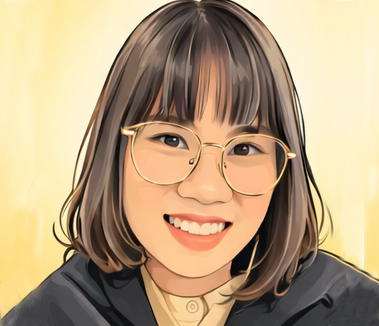
- 出身:ベトナムの北部地方
- 学歴:ベトナムの看護大学 看護系学部卒業
- 資格:介護福祉士
- 日本語能力:JLPT N1
- 職歴:日本の介護施設勤務
Q:最初から看護の道を目指していたのでしょうか。
実は、最初から強い職業志向があったわけではありません。高校生のとき、担任の先生から成績を踏まえて進路についてアドバイスをもらい、「看護の分野はどうか」と勧められたことがきっかけでした。
当時は看護職を第一志望としていたわけではありません。ただ、大学で勉強を続けるうちに、自分は「人の世話をすることが好きだ」ということに気づきました。そうしていくうちに、看護の分野は自分に合っているのではないかと感じるようになりました。
自分自身のことを理解するにつれて、もっと学びたいという気持ちが生まれ、それが結果的に進路を支える大きな動機になりました。
Q:海外として日本を選んだ理由は何だったのでしょうか。
大学と連携している国は、日本とドイツの2か国だけでした。
ドイツの場合は距離が遠く、渡航前に約2年間の語学学習が必要だと聞きました。それは自分にとって大きな負担に感じました。
一方で、日本は比較的早く行くことができ、帰国もしやすいと考えました。そのため、日本を選びました。
Q:日本語はどのように学び始めたのですか。
大学在学中に日本に興味を持ったことがきっかけで、日本語の勉強を始めました。奨学金や公的なプログラムは利用せず、自分のお金で勉強していました。
大学卒業後も半年から1年ほど日本語の勉強を続けました。渡日前には、日本から大学に来ていた関西の介護施設の面接を受け、その場で採用が決まり、日本に行くことを決断しました。
Q:来日後はどのような仕事をされてきましたか。
日本に来てからは、同じ介護施設で働きながら技能実習の3年間を過ごしました。その間に介護福祉士国家試験に挑戦し、合格しました。
受験に必要だった3か月間の実務研修は、すべて自分で費用を負担しました。試験対策は主に配布された教材を使った独学です。
ベトナム人向けの有料対策講座もあり、合格した先輩がベトナム語で教えてくれるものもありましたが、私は受講しませんでした。
Q:同期の方たちは現在どうされていますか。
多くの同期は在留期限などの理由でベトナムに帰国しました。現在も同じ職場に残っているのは、私を含めて2人だけです。
介護福祉士に合格したあと給与は上がりましたが、主任などの役職に就くにはさらに年数や資格が必要です。
Q:勉強についてはどのように考えていますか。
私は勉強そのものを前向きに考えています。趣味はあまり多くありませんが、その分、自主的に勉強する時間を大切にしています。
勉強の計画も基本的に自分で立てて、一人で続けてきました。
介護福祉士の勉強は、試験のためだけではなく、実際の仕事にも役立つ知識が多く、とても良い選択だったと思っています。
Q:ケアマネジャー資格についてはどう考えていますか。
ケアマネジャーの受験には、介護福祉士取得後10年の実務経験が必要だと理解しています。
私は近いうちにベトナムへ帰国する予定なので、ケアマネジャー資格を取得する予定はありません。
Q:現在はどのような勉強に取り組んでいますか。
今は医療通訳の資格に挑戦しています。一度試験に落ちましたが、もう一度受験する予定です。
また、英語の勉強としてTOEICにも取り組んでいます。映画を見るのが好きなので英語にも興味がありますし、日本語を勉強して成果を出せた経験があるので、新しいことにも挑戦してみたいと思っています。
ただ、現時点では英語圏で働く具体的な計画があるわけではありません。
Q:日本の看護師資格を取ることは考えていますか。
今のところ、その予定はありません。
日本の看護業務は資格が細かく分かれていて、業務範囲が限定されると感じています。私はもう少し幅広い医療行為に関わりたいという考えがあります。
また、これまで病院ではなく介護施設で働いてきた経験から、看護よりも介護の仕事のほうがやりがいを感じています。
もし将来別の仕事をするなら、患者と直接関わりながら言語面で支援できる医療通訳の仕事が自分には合っていると思っています。
Q:大学で学んだ看護と、日本の介護の仕事には違いがありますか。
はい、とても違います。
ベトナムの看護教育では、吸引、人工呼吸器ケア、注射、バルーンカテーテル管理、創傷ケアなど、医療行為に近い内容が中心でした。
一方、日本の介護職は生活支援や心理社会的支援など、日常生活を支える役割が中心です。性質がかなり違うと感じています。
Q:現在の仕事についてはどう感じていますか。
今の仕事は、生活支援や身体介助だけでなく、利用者との会話やメンタルケア、レクリエーションなど、生活の質を高めるためのチームケアが中心です。
私はこの仕事が自分に合っていると感じていますし、全体としてとても満足しています。
Q:将来の予定について教えてください。
帰国はおよそ1年以内を考えています。主な理由は結婚や家庭を持つことです。日本には交際相手はいません。
帰国後は、病院での医療通訳、日本語教師、あるいはベトナムにある日系企業で通訳として働くことを考えています。
日本と比べてベトナムの介護や看護の給与水準が低いです。なお、将来的にライフイベント(結婚、出産、家族の介護など)を合わせるため、夜勤がない仕事を探したいです。だから、介護や看護の仕事については、あまり積極的には考えていません。
Q:日本での生活についてはどう感じていますか。
日本の人はとても優しく、働きやすく、生活も便利だと感じています。全体として日本の生活にはよく適応できていると思います。
ただ、人間関係は表面的になりやすく、孤独を感じることもあります。日本人の友人はいますが、関係が深まるのは難しいと感じることがあります。
在日ベトナム人コミュニティとも、特に積極的に関わっているわけではありません。
休みの日には旅行を楽しんでいて、京都の紅葉を見に行ったこともあります。
Q:学習面でのサポートについてはどう感じていますか。
基本的には独学で勉強してきましたが、職場の先輩からのアドバイスはとても助けになりました。職場の人たちは協力的だと思います。
一方で、Facebookの介護福祉士受験グループには参加していましたが、雑談が多いと感じて途中で離れました。
また、試験の受験要件となる研修費用はすべて自己負担でした。合格すると報奨金が出るという話も聞いていましたが、実際には支給されませんでした。
自分に合う仕事を見つけるまでの道のりは、必ずしも一直線ではない。
しかし学び続ける姿勢が、新しい可能性を切り開いていく——そう彼女は語る。
“Finding the Work That Fits Me” — A Vietnamese Care Worker’s Journey of Learning and Self-Discovery in Japan
Hometown: North of Vietnam
Education: Bachelor’s Degree in Nursing, Vietnam
Qualification: Certified Care Worker (Japan)
Work Experience: Care facility staff in Japan
Q: Were you always certain that you wanted to become a nurse?
Not really. At first, I didn’t have a very clear career goal. When I was in high school, my homeroom teacher looked at my grades and suggested that I consider studying nursing. That advice became the starting point for my decision.
At that time, nursing was not necessarily my first choice. However, as I continued studying at university, I realized that I genuinely enjoy taking care of people. Gradually, I began to feel that the nursing field suited my personality.
As I learned more about myself, I developed a stronger motivation to continue studying, and that eventually became the internal motivation supporting my career path.
Q: Why did you choose Japan as your destination abroad?
My university only had partnerships with two countries: Japan and Germany.
Germany felt quite far away, and I was told that I would need to study the language for about two years before traveling. That seemed like a heavy burden.
Japan, on the other hand, felt more accessible. I thought it would be easier to travel there and also easier to return home if necessary. For those reasons, I chose Japan.
Q: When did you begin studying Japanese?
I became interested in Japan while I was still in university, so I began studying Japanese on my own. I paid for my lessons myself and did not receive any scholarships or public support programs.
Even after graduating from university, I continued studying Japanese for about six months to a year.
Before coming to Japan, a caregiving facility from the Kansai region visited my university and conducted interviews. I was offered a job during that interview, which ultimately led me to decide to move to Japan.
Q: What kind of work did you do after arriving in Japan?
After arriving, I worked at the same caregiving facility throughout my three-year technical intern training period.
During that time, I took the national examination for Certified Care Workers and successfully passed it. In order to meet the exam requirement, I had to complete a three-month practical training course, which I paid for entirely myself.
For exam preparation, I mainly studied independently using the materials provided.
There were also paid preparatory courses designed for Vietnamese candidates, where people who had already passed the exam taught in Vietnamese. However, I chose not to attend those courses.
Q: What happened to the people who came to Japan with you?
Many of my peers returned to Vietnam due to visa limitations and other circumstances. At present, only two of us—including myself—are still working at the same workplace.
After passing the Certified Care Worker exam, my salary increased. However, to be promoted to positions such as team leader or supervisor, additional years of experience and extra qualifications are required.
Q: How do you feel about studying?
I actually have a positive attitude toward studying. I don’t have many hobbies outside of work, so I spend a lot of time learning on my own.
Most of the time, I create my own study plans and continue studying independently.
Studying for the Certified Care Worker qualification was not only useful for passing the exam—it also provided knowledge that I could apply directly in my daily work. I feel it was a very good decision.
Q: Have you considered becoming a care manager?
From what I understand, the care manager exam requires ten years of work experience after obtaining the Certified Care Worker qualification.
Since I am planning to return to Vietnam in the near future, I do not intend to pursue that qualification.
Q: What are you studying now?
Currently, I am preparing for the medical interpreter certification exam. I failed once, but I plan to take the exam again.
I am also studying English and preparing for the TOEIC test. I enjoy watching movies, which made me interested in English.
Another reason is that I successfully learned Japanese through continuous effort, and that experience gave me confidence to try new challenges.
However, I do not currently have a specific plan to work in an English-speaking country.
Q: Have you considered obtaining a Japanese nursing license?
At the moment, I do not plan to pursue it.
In Japan, nursing work is divided into many specialized roles, and the scope of practice can be relatively limited. Personally, I would prefer to be involved in a wider range of medical procedures.
Also, because I have worked mainly in care facilities rather than hospitals, I feel that caregiving work suits me better than nursing.
If I were to change careers in the future, I think working as a medical interpreter—supporting patients directly through language—would suit me well.
Q: How does the nursing education you received in Vietnam differ from caregiving work in Japan?
There is a significant difference.
In Vietnam, nursing education focuses heavily on medical procedures such as suctioning, ventilator care, injections, catheter management, and wound care.
In contrast, caregiving work in Japan focuses more on daily life support and psychosocial care. The nature of the work is quite different.
Q: How do you feel about your current work?
My current work includes daily life support, physical assistance, conversations with residents, mental care, and recreational activities.
Most of our work is team-based and focuses on improving the quality of life for the residents.
I feel that this job suits me very well, and overall I am quite satisfied with my work.
Q: What are your plans for the future?
I plan to return to Vietnam within about one year. My main reason is to get married and build a family. I currently do not have a partner in Japan.
After returning, I am considering working as a medical interpreter in a hospital, a Japanese language teacher, or an interpreter for a Japanese company in Vietnam.
Compared to Japan, salaries for caregiving and nursing in Vietnam are lower. In addition, considering future life’s events such as marriage, childbirth, and caring for family members, I would like to find a job without night shifts. Therefore, I am not very actively considering jobs in caregiving or nursing.
Q: How do you feel about living in Japan?
I feel that people in Japan are kind, the working environment is comfortable, and daily life is very convenient. Overall, I think I have adapted well to life here.
However, relationships can sometimes feel a bit superficial, and occasionally I feel lonely. I do have Japanese friends, but it can be difficult to deepen those relationships.
I also have not actively built strong connections within Vietnamese communities in Japan.
In my free time, I enjoy traveling. For example, I once visited Kyoto to see the autumn leaves.
Q: What kind of support have you received during your studies?
Most of my studying has been independent, although advice from senior colleagues at my workplace has been very helpful. My coworkers have generally been supportive.
I once joined a Facebook group for people preparing for the Certified Care Worker exam, but there was a lot of casual conversation, so I eventually left the group.
Regarding financial support, the training required for the exam had to be paid for by myself. I heard rumors that there might be a reward for passing the exam, but in reality, I did not receive any.
Her journey was not guided by a clear dream at the beginning.
Yet through learning, experience, and self-discovery, she found work that truly suits her—supporting the lives of others while continuing to explore new possibilities.